8 Benefits of compression therapy for athletes
Recovery used to be simple: stretch a little, ice something, complain about it the next day, repeat.
Then athletes realized that uncomfortable training hard is useless if you recover poorly.
That’s where compression therapy enters.
Many compression therapy tools our there in the market that promise faster recovery, less soreness, and better performance consistency. And many of them actually have research behind it, just not the miracle-level kind influencers like to imply.
Let’s break down what compression therapy really does, what the science supports, and who actually benefits from it.
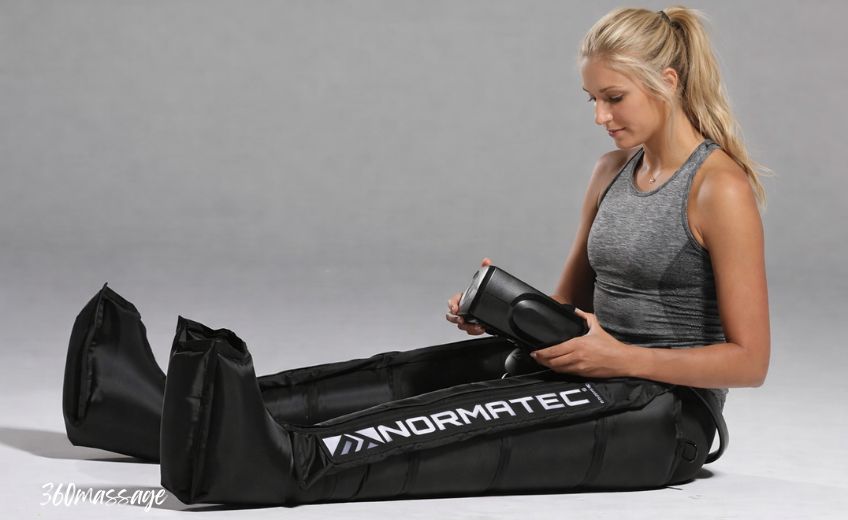
What is compression therapy?
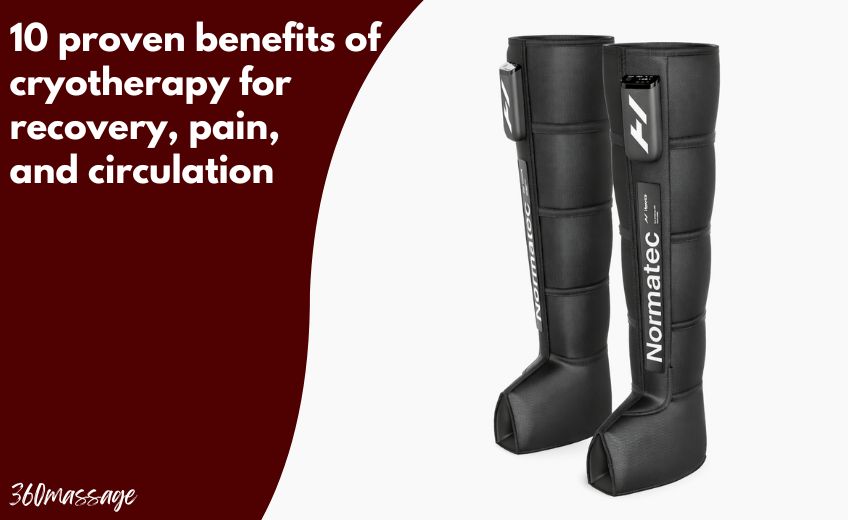
Compression therapy uses intermittent pneumatic compression (IPC), a system that applies sequential, pulsing pressure to the limbs using air-filled chambers. Instead of static squeezing, the pressure moves upward in waves, mimicking natural muscle pump and lymphatic flow.
In simple terms:
It helps push fluid, metabolic waste, and stagnant blood out of tired muscles and back into circulation.
NIH- and PubMed-indexed reviews confirm that IPC can support recovery by improving fluid movement, circulation, and cardiovascular normalization after exercise. The effects aren’t massive, but they’re consistent enough to matter when used correctly. This method is being used in the compression system of massage chairs as well.
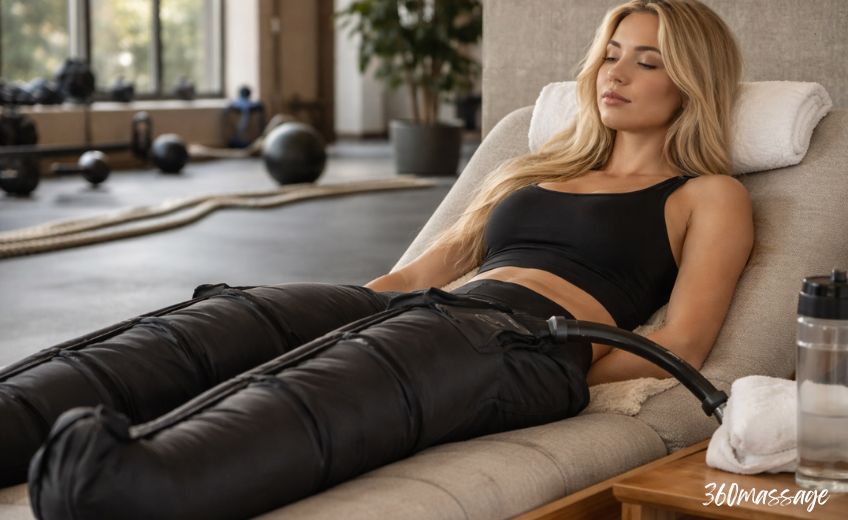
What are the benefits of compression therapy for athletes?
Reduces muscle soreness after intense training
Delayed onset muscle soreness (DOMS) is every athlete’s favorite uninvited guest. Compression therapy helps show it the door politely, not violently.
Meta-analyses show trivial to moderate reductions in perceived muscle soreness following intense exercise when IPC is used for 20–30 minutes at pressures around 80 mmHg.
This doesn’t mean you’ll feel brand new. It means:
- Less stiffness
- Less “walking like a robot” the next day.
- Faster return to comfortable movement
For athletes training multiple days in a row, that difference adds up.

Improves muscular function recovery
Soreness is one thing. Performance is another.
Studies show small but measurable improvements in muscle function recovery, including:
- Jump height
- Strength output
- Power consistency
These benefits can last up to 48 hours post-exercise, especially compared to passive rest.
Translation:
You’re not stronger because of compression, but you get back to baseline faster.
That matters in tournaments, training camps, and back-to-back competition days.
Enhances circulation and fluid movement
This is the most consistent and best-supported benefit of IPC.
Sequential compression:
- Increases blood flow and tissue perfusion
- Improves lymphatic drainage
- Helps clear metabolic byproducts like lactate
Research also shows improvements in cardiac output and blood pressure normalization during post-exercise recovery.
This is why compression feels so relieving.

Accelerates the cardiovascular recovery of athelets
After high-intensity efforts, such as sprints, intervals, and heavy conditioning, the cardiovascular system doesn’t immediately calm down.
IPC helps:
- Normalize heart rate faster.
- Restore stroke volume
- Stabilize the mean arterial pressure.
Some studies show IPC outperforming sham recovery methods in parasympathetic reactivation, which is a fancy way of saying your body exits “fight-or-flight” sooner.
This benefit is especially useful for endurance athletes and high-intensity sport players.
May reduce muscle damage and inflammation markers
This is where the science becomes cautious but still interesting.
Some studies show reductions in oxidative stress after IPC use. Others show neutral results.
The takeaway:
- Benefits are short-term
- Effects vary by protocol and athlete.
- IPC is supportive, not curative
Compression therapy won’t erase muscle damage, but it may help your body manage it more efficiently in the early recovery window.
Helps maintain muscle elasticity
In sports where stiffness kills performance, such as combat sports, sprinting, and jumping, muscle elasticity matters.
Studies using pneumatic compression at higher pressures (around 100 mmHg) show improved muscle elasticity lasting up to 48 hours post-fatigue.
That means muscles:
- Feel less “dead.”
- Move more freely
- Respond better to loading.
This is especially relevant for athletes who need speed and explosiveness, not just endurance.
Supports lymphatic clearance and reduces swelling
Exercise shifts fluid. Sometimes too much.
IPC’s sequential pressure helps move lymph fluid upward, reducing:
- Limb swelling
- Heaviness
- Post-exercise edema
This makes compression therapy a useful adjunct for recovery after:
- Long flights
- Heavy leg days
- Multi-session training blocks
It’s not a replacement for medical lymphatic therapy, but it supports normal recovery physiology.
Improves the performance consistency of athelets
One of the quiet benefits of compression therapy isn’t peak performance, it’s reliable performance.
Research shows that athletes using IPC after muscle-damaging exercise maintain more stable jump and power outputs compared to passive recovery.
This is valuable when:
- Training volume is high.
- Competition schedules are dense.
- Small drops in performance matter
- Consistency keeps you training, not rehabbing.


Design Your Chair Yourself