


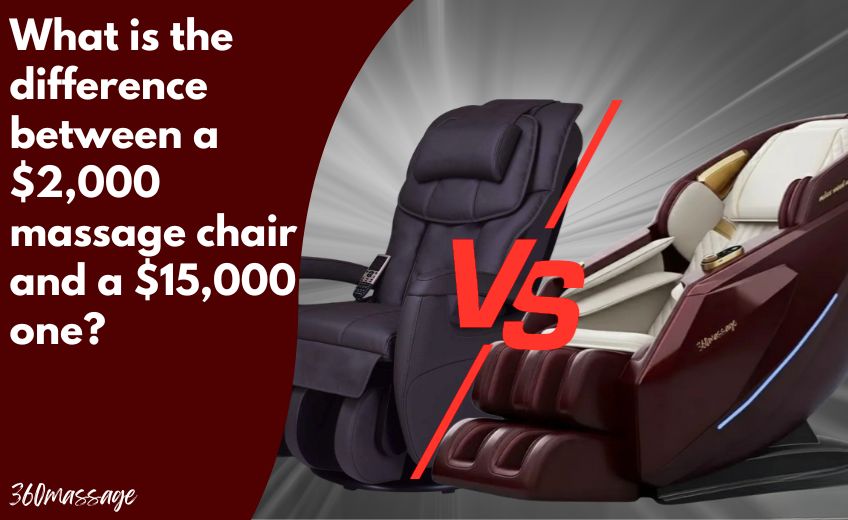
What is the difference between a $2,000 massage chair and a $15,000 one?
If you’ve ever shopped for a massage chair, you’ve probably had this moment:
You see a nice $2,000 chair that promises a “relaxing massage experience.”
Then, two scrolls down, a $15,000 monster claims it can scan your spine with AI, mimic a human therapist, decompress your spine, heat your knees, and make you sleep like a baby.
And you think…
“Okay, what exactly is happening here?”
Let’s break down the real differences between “affordable comfort” and “premium wellness machine.”
Feature comparison table
| Feature category | $2,000 chairs | $15,000 chairs |
| Rollers | 2d/3d | 4d with rhythmic patterns |
| Scanning | Basic/manual | Ai + biometrics + tension detection |
| Coverage | Partial | Acupressure, stretching, and advanced combos |
| Heating | Back-only | Multi-zone + heated rollers |
| Therapies | Basic | Stretching, inversion, aromatherapy |
| Materials | Synthetic | Premium leather |
| Warranty | 1–3 years | 5+ years |
| Massage types | Basic tapping/kneading | Acupressure, stretching, advanced combos |
| Height adjustment | Minimal | Auto-calibrated |
| Airbags | 10–20 | 50–100+ |
| Controls | Basic remote | Touchscreen, app, voice control |
Massage roller technology: the heart of the difference
$2,000 chairs: the basic “it works” rollers
Lower-end chairs usually come with 2D or basic 3D rollers.
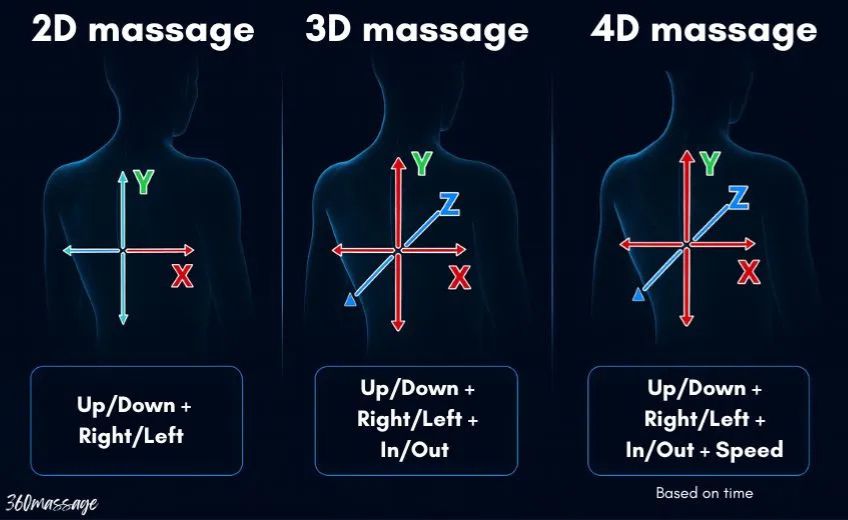
They move up–down and left–right, maybe with a shallow forward push.
The massage feels repetitive, predictable, and limited to the upper back and neck.
They are good for relaxation, not great for therapeutic depth.
$15,000 chairs: 4D intelligent rollers that feel like actual hands
High-end models use 4Drollers that can change:
- Depth
- Width
- Rhythm
- Speed
They create human-like patterns such as figure-eight, butterfly, shiatsu spirals, and deep tissue pressing.
Some premium chairs even have dual-roller systems that massage two areas simultaneously, giving you the “two therapists at once” experience.
Body scanning and customization: how smart is the chair?
Body scanning is a premium feature, which you can’t expect $2,000 chairs to have
Entry models often rely on:
- Minimal body scanning
- Manual adjustments
- 6–12 massage programs
- Limited intensity settings
$15,000 chairs: Ai chiropractor vibes
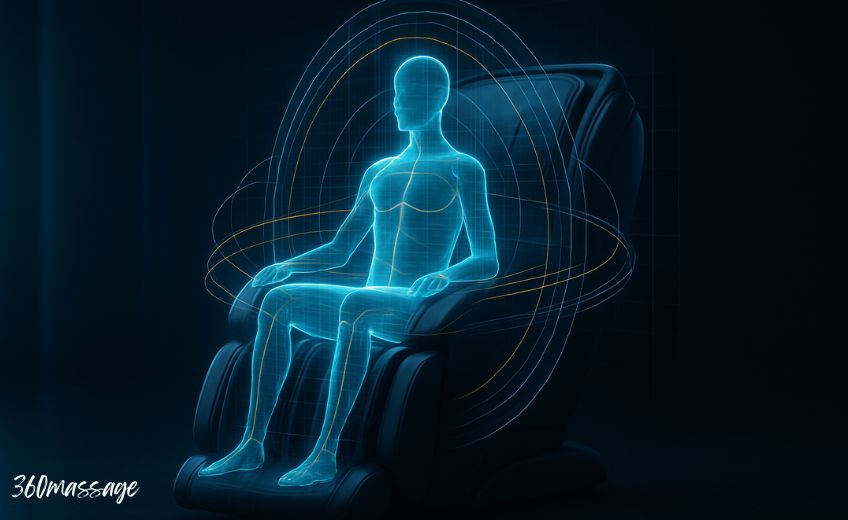
High-end massage chairs read your body like a biometric map.
They use:
- 3d body scans
- AI tension detection
- Pressure-point mapping
- Personalized programs based on your height, weight and muscle tightness
You get adaptive intensity, including specialized modes like: Spinal decompression, Inversion stretching, Targeted myofascial release, Pinpoint shiatsu.
The chair adapts to you, not the other way around.
Massage types and techniques: range matters
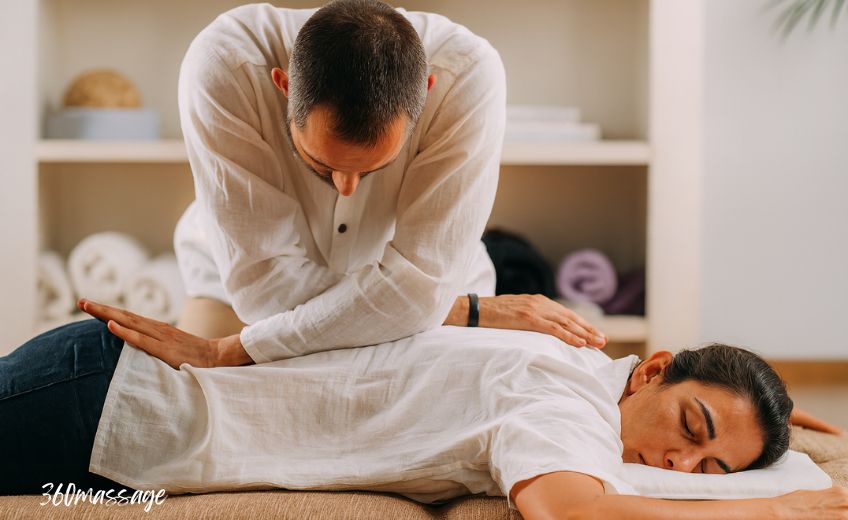
One of the biggest differences between premium and basic models is the type of massage they offer $2,000 massage chairs have basic tapping, standard kneading, simple rolling, and Light stretching (if any)
Whereas $15,000 massage chairs offer:
All of the above plus advanced:
- Acupressure
- Deep kneading
- Shiatsu sequencing
- Rhythmic tapping combos
- Full-body stretching
- Thai-style pull and twist motions
Budget chairs give you “massage simulation.”
High-end chairs give you massage replication.
Coverage and airbag systems: how much of your body is actually treated?
$2,000 chairs: limited coverage
You’ll get airbags in:
- Shoulders
- Arms
- Basic legs
Usually missing:
- Feet
- Calves
- Hips
- Glutes
Airbags = fewer, weaker, and less coordinated.
$15,000 chairs: full-body compression therapy
Premium chairs come with: Precise calf kneading, Triple-foot rollers, Hip twist therapy, Glute compression, Full-leg sequencing.
Plus, L-track or SL-track rails that follow your spine all the way to the glutes.
Budget chairs stop halfway.
Premium chairs finish the job.
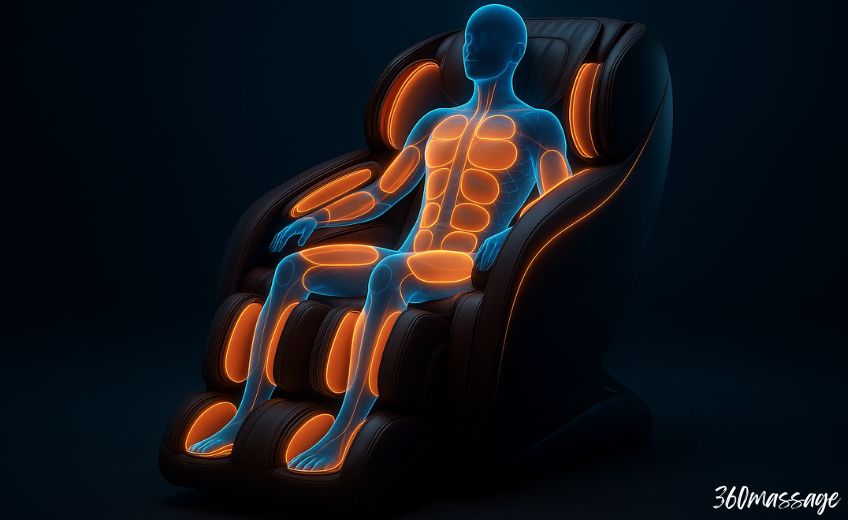
Heating and additional therapies: Warm vs. Wow
$2,000 chairs: “warm back area.”
You get a simple heat pad in the lumbar region.
That’s it.
No temperature control.
No advanced zones.
$15,000 chairs: heated everything + bonus wellness tech
Premium models offer:
- Heated rollers (the heat moves with the massage!)
- Heated calves and knees
- Full-body warmth
- Chromotherapy lighting
- Aromatherapy
- Negative-ion therapy
- Advanced Thai stretching
- Inversion recline
- Multiple zero-gravity levels
These additions boost: Blood flow, Muscle recovery, Lymphatic drainage, Stress reduction
Budget heat = cozy.
Premium heat = therapy.
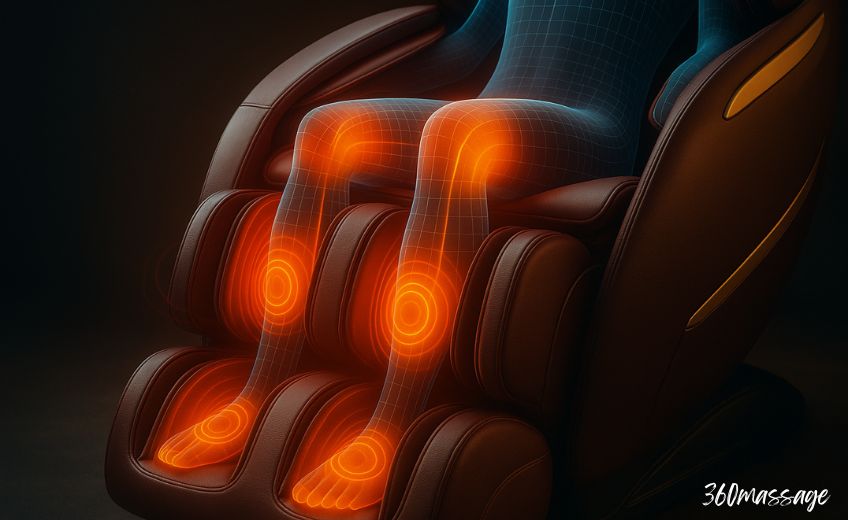
Build quality and durability: what are you sitting on?
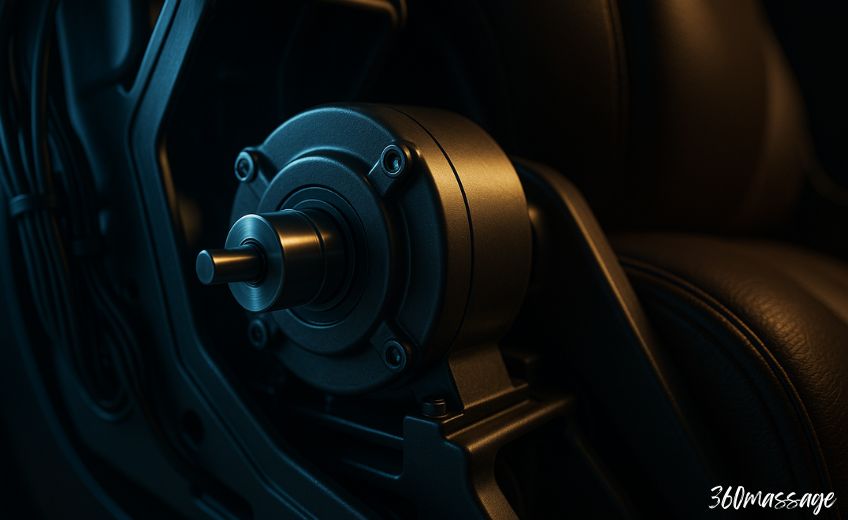
Premium massage chairs don’t just feel different; they’re built differently. A $2,000 chair usually comes wrapped in synthetic leather that may crack or peel over time, powered by basic motors inside lighter metal frames.
They tend to run louder, show wear sooner, and come with only a 1–to 3-year warranty. In contrast, $15,000 models use premium-grade leather, heavy-duty motors designed for daily, long sessions, and aerospace-grade internal frames that stay solid for a decade or more. They operate quietly, feel sturdier, and come with 5-year (or longer) warranties.
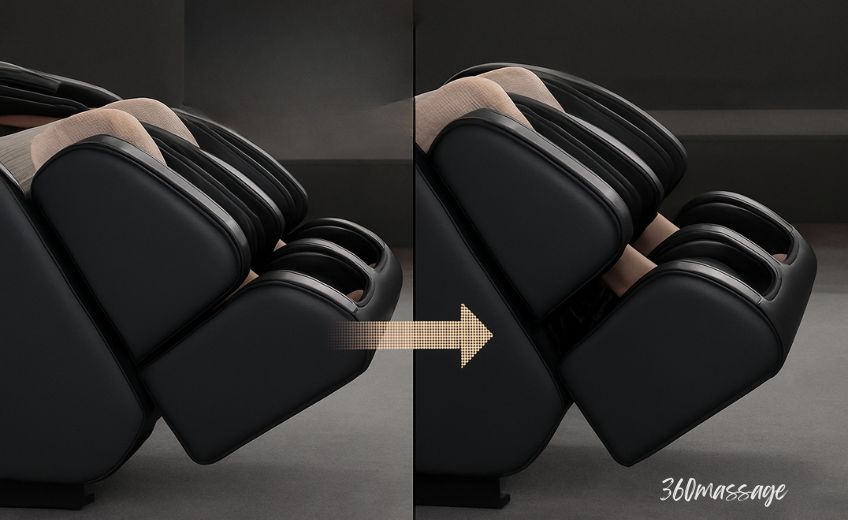
Body height adjustment: Who can actually use the chair?
$2,000 massage chairs:
- Fits a narrow height range
- Often requires manual shoulder position adjustment
- Rollers sometimes miss key points if you’re too tall or short
$15,000 massage chairs:
- Dynamic height calibration
- Auto-adjusting roller reach
- Customizable leg extension
- Adaptive shoulder width detection
Tall? Short? Long-legged? Doesn’t matter; premium chairs adjust automatically.
Control methods: how you command the chair
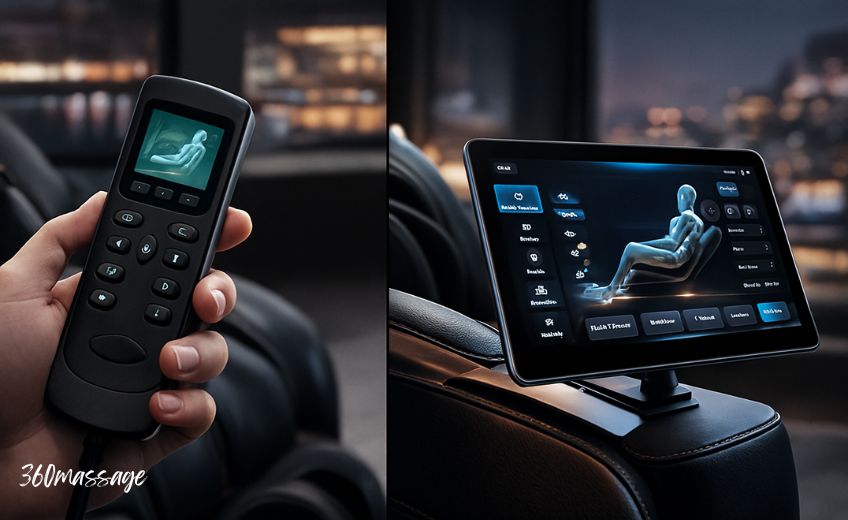
When it comes to control and usability, the gap between a $2,000 massage chair and a $15,000 one is massive. Budget chairs usually rely on basic remotes with simple buttons and, if you’re lucky, a small screen that shows the most essential settings. There’s no voice control, no smart features, and very little customization beyond “strong,” “medium,” or “weak.”
Premium chairs, on the other hand, behave more like luxury smart devices. You get full voice control with commands like “start deep tissue massage,” large touchscreen tablets instead of tiny remotes, smartphone app compatibility, memory profiles for personalized routines, and even smart-home integration
Premium chairs feel like controlling a spa, with a spaceship interface.
Number of airbags: more matters (if they’re smart)
$2,000 message chairs have around 10–20 airbags
which results in basic inflation patterns and limited intensity variety
$15,000 massage chairs, on the other hand, have 50–100 airbags with zoned compression
multi-stage pulses synced with roller movement
More airbags = smoother pressure, better circulation, and more realistic muscle therapy.
What does the difference come down to?
If you want simple relaxation after work?
A $2,000 chair gets the job done.
If you want daily full-body therapy, long-term spine care, advanced heat, silence, customization, durability, and the closest thing to having your own private massage therapist at home? Then this is the product for you.
The $15,000 model wipes the floor with the budget chair.
At the end of the day, you’re not paying for features…
You’re paying for results.
And premium chairs?
They deliver those results every single time.


