What is a therapy chair? 7 uses most people don’t know about
When talking about a therapy chair, most people picture massage therapy or a recliner, but it’s neither.
A therapy chair isn’t a luxury gadget. It’s a serious piece of medical equipment designed to support the body when the body can’t fully support itself. And it does far more than just help someone sit comfortably.
Therapy chairs play a key role in healthcare. They help people recover, prevent injuries, improve circulation, and make long treatments more comfortable.
Let’s break down what a therapy chair actually is, why it exists, and the seven surprisingly important uses most people never hear about.
What exactly is a therapy chair?
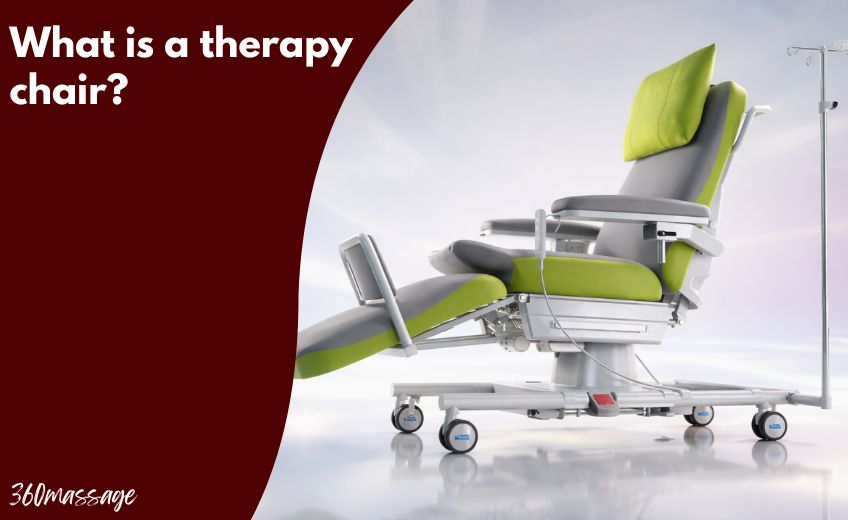
A therapy chair, sometimes called a treatment chair or postural support chair, is specialized medical seating built to support patients during rehabilitation, therapy, or daily activities when standard chairs simply don’t cut it.
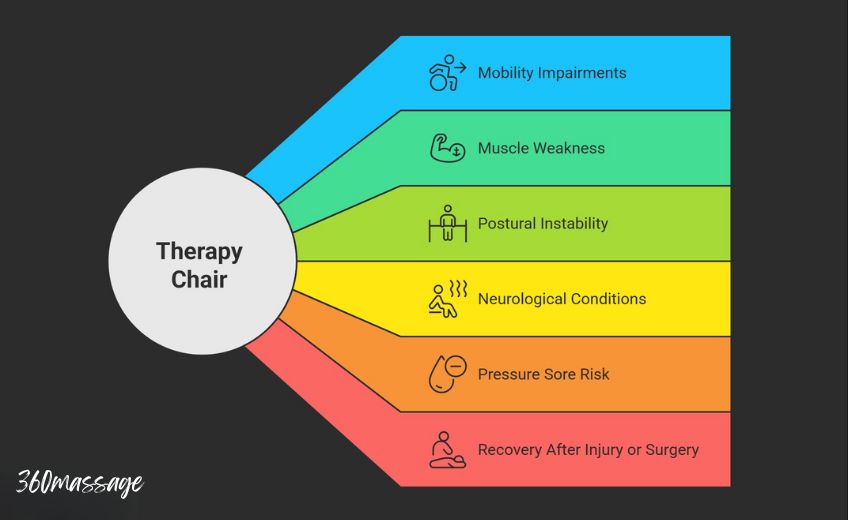
These chairs are designed for people dealing with:
- Mobility impairments
- Muscle weakness
- Postural instability
- Neurological conditions
- Pressure sore risk
- Recovery after injury or surgery
Unlike regular chairs, therapy chairs are adjustable in ways that actually matter medically. They typically include features like:
- Adjustable backrests, armrests, and footrests
- Tilt-in-space or reclining mechanisms
- Pressure-relief cushioning
- Height adjustability for clinical access
In many cases, therapy chairs qualify as durable medical equipment (DME). That’s not a marketing label, it’s a medical classification. According to insurers and clinical policy guidelines (including Aetna), these chairs require physician evaluation, therapist assessment, and successful trials to prove medical necessity.
What are the 7 use cases of therapy chairs?

Stroke rehabilitation: teaching the body to sit again
After a stroke, something as simple as sitting upright can become a full-body challenge.
Therapy chairs play a crucial role in early stroke rehab by supporting the trunk, pelvis, and limbs while the nervous system relearns control. Proper seating improves balance, alignment, and muscle activation, key factors in recovery.
Clinical studies show that supported seating can improve outcomes, as measured by tools such as the NIH Stroke Scale and the Trunk Impairment Scale. In plain English: better sitting leads to better, faster movement.
Without good support, patients may move in ways that are not helpful. A therapy chair helps them relearn movement correctly.
Pressure injury prevention: the quiet life-saver
Pressure sores don’t look dramatic at first, but they can become serious, fast.
For patients who sit for long periods, especially those with limited mobility, pressure injuries are a major risk. Therapy chairs reduce this risk by distributing body weight evenly and allowing frequent position changes through tilt or recline.
By relieving pressure from high-risk areas like the hips, thighs, and lower back, these chairs help prevent skin breakdown before it starts. That’s not comfort, that’s prevention.
And in healthcare, prevention is everything.
Postural support for severe weakness or instability
Some bodies don’t cooperate.
Patients with muscle weakness, abnormal tone, or contractures often can’t maintain safe posture on their own. Therapy chairs use external supports, headrests, lateral supports, and foot positioning to keep the body aligned without forcing it.
This allows people to eat, communicate, participate in therapy, or simply rest without fighting gravity the entire time.
When posture is supported, people can use their energy to heal instead of just trying to stay upright.
Physical therapy positioning: precision matters
In physical therapy, position is everything.
Therapy chairs allow clinicians to place patients at the exact angle and height needed for effective treatment, whether it’s physiotherapy, podiatry, osteopathy, or neurological rehab.
Adjustability isn’t about comfort alone. It’s about accuracy, safety, and efficiency. A properly positioned patient responds better to treatment and experiences less strain during sessions.
This makes therapy work better for patients and is easier for the clinician.
Circulation and oxygenation support
Better posture leads to better circulation. It is a simple connection.
Therapy chairs often allow leg elevation, recline, and spinal alignment that promote healthy blood flow. For bedridden patients, IV patients, or those with compromised circulation, this can reduce swelling, improve oxygen delivery, and support overall cardiovascular health.
Good posture doesn’t just feel better; it literally helps the body function better.
Psychological well-being during long treatments
This one gets overlooked constantly.
Long medical sessions are stressful. Uncomfortable seating increases anxiety, pain perception, and emotional fatigue. Therapy chairs reduce that burden by creating a sense of stability, safety, and physical ease.
When the body is relaxed, the mind can relax too. Patients often feel calmer, less anxious, and more willing to participate in long or repeated treatments.
Making life easier for medical staff (yes, that matters)
Healthcare workers are human, too.
Therapy chairs are designed with staff in mind: adjustable height, easy access, safe positioning, and reduced strain during procedures. This improves efficiency and reduces the risk of injury for caregivers and clinicians.
Better equipment means better care.
Who actually uses therapy chairs?
Therapy chairs are used across:
- Hospitals and rehabilitation centers
- Physical therapy and physiotherapy clinics
- Long-term care facilities
- Home-care environments
They help people who are recovering from strokes, surgeries, injuries, neurological conditions, and long-term illnesses. They are also important for anyone who needs help sitting safely during daily life.


Design Your Chair Yourself