Cryotherapy facials: 6 benefits, 3 risks, and who should avoid them
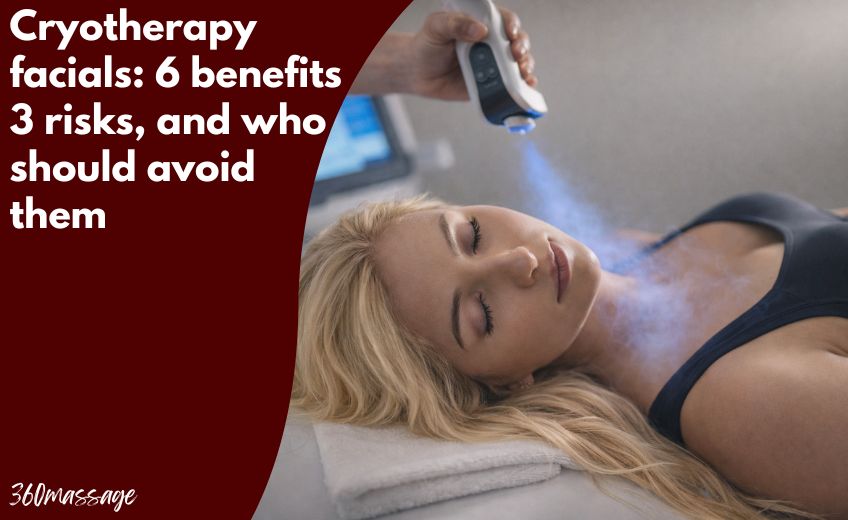
Cryotherapy facials sound like something straight out of a sci-fi beauty lab. But it’s really simple: liquid nitrogen vapor is used at sub-zero temperatures to blast your skin with cold so intense it opens your pores and cleans your skin.
And of course, the internet loves it.
Scroll Instagram for five minutes, and you’ll see glowing faces, frozen mist, and captions promising tighter skin, fewer breakouts, and eternal youth apparently achieved by freezing your face for a few seconds.
But let’s slow down.
Cryotherapy facials are not the same thing as medical cryotherapy, and while there are some real, science-adjacent benefits, there are also real risks. This is one of those treatments where the hype has sprinted ahead of the evidence.
So, let’s talk about what cryotherapy facials actually do, what they might help with, what can go wrong, and who should absolutely not let liquid nitrogen anywhere near their face.
What is a cryotherapy facial?
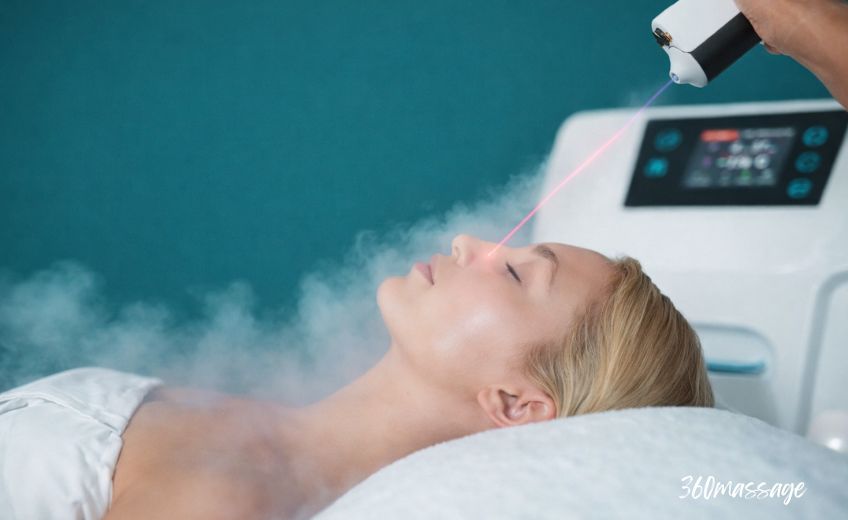
A cryotherapy facial involves applying extreme cold, usually liquid nitrogen vapor or very cold air, to the skin of the face. The exposure is brief, typically seconds, and is meant to trigger a rapid physiological response.
Medical cryotherapy, on the other hand, is used by dermatologists to destroy abnormal or precancerous skin cells, such as warts or actinic keratoses. That process intentionally causes controlled cell death.
Cryotherapy facials, on the other hand, aim for cosmetic effects rather than tissue destruction. The goal is stimulation, not removal. If your face is puffy or tainted, a cryotherapy facial helps fix it.

How does a cryotherapy facial work?
Extreme cold triggers vasoconstriction, narrowing your blood vessels. When the cold stimulus is removed, blood flow returns rapidly, theoretically delivering oxygen and nutrients back to the skin.
Cold exposure can also temporarily reduce inflammation, limit sebum production, and tighten tissues through muscle and vascular responses.
That said, it’s a temporary fix, meaning you will have to book sessions each time to keep the glowing face.
What are the 6 potential benefits of a cryotherapy facial?
Temporary skin tightening
Cold causes tissues to contract. After a cryotherapy facial, skin may appear firmer and more “lifted” for a short period. This effect is cosmetic and fleeting, similar to what you get from cold rollers or ice facials, just amplified.
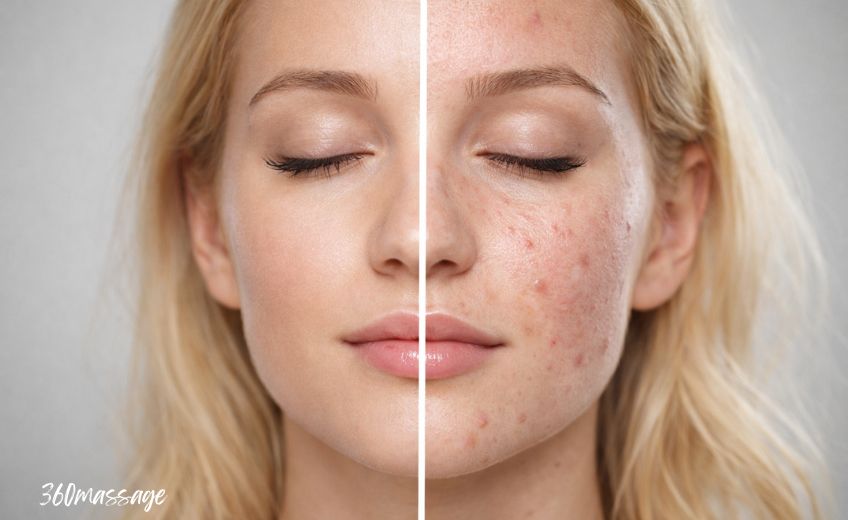
Reduced redness and inflammation
Cold exposure can suppress inflammatory signals, which is why ice packs work on swelling.
Some localized studies suggest that cold therapy may reduce the levels of inflammatory cytokines involved in acne. This may help calm redness or irritation, particularly for inflamed skin.
Temporary oil (sebum) reduction
Cold can temporarily reduce sebaceous gland activity. That’s one reason some people with oily or acne-prone skin report improvement after cold-based treatments.
Again, the keyword is temporary. Your oil glands didn’t sign a lifelong ceasefire.
Short-term glow effect
After vasoconstriction comes rebound blood flow. That surge can give skin a flushed, “awake” appearance.
This is similar to the glow you get after exercise or a cold splash of water, your circulation showing off for a bit.
Sensory refresh (the mental factor)
Let’s be honest: extreme cold snaps your attention back into your body. Some people love the adrenaline-like jolt.
There’s a psychological benefit here, feeling refreshed, alert, reset. That doesn’t make it fake; it just means the benefit is neurological, not structural.
Medical cryotherapy adjacent benefits (important clarification)
In medical contexts, cryotherapy is effective for destroying certain benign or precancerous lesions. That process works through ice crystal formation and osmotic damage to cells.
Cryotherapy facials do not aim to achieve this level of tissue freezing, but the association is often blurred in marketing.

The 3 real risks of cryotherapy facial
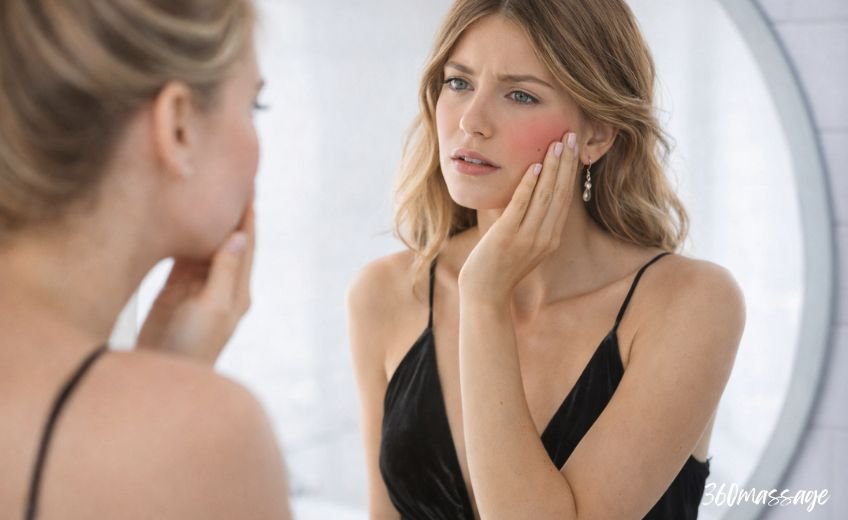
Frostbite and skin injury
Extreme cold is not harmless.
If exposure is prolonged or poorly controlled, cryotherapy facials can cause frostbite, blistering, edema, or scarring. Healing may take weeks, and, in some cases, pigment changes can be permanent.
This risk is higher with poorly trained operators or aggressive protocols.
Cold does not care about your skincare goals.
Hypopigmentation (especially in darker skin tones)
Cold-induced injury can disrupt melanocytes, the cells responsible for skin pigment.
This can lead to light patches (hypopigmentation) that are more noticeable and persistent in darker skin tones.
This is not rare. It’s documented.
Facial safety concerns (eyes, airways, oxygen levels)
Applying extreme cold near the eyes, nose, and mouth introduces additional risks.
Liquid nitrogen vapor displaces oxygen. In poorly ventilated rooms, this can lead to oxygen deficiency. Facial vascular structures are also delicate, increasing risk if protocols aren’t conservative.
In short, this is not a DIY-friendly treatment.
Who should avoid cryotherapy facials entirely?
As good as it sounds, it is anything but risk-free, and for some people, it’s a big NO.
Avoid cryotherapy facials if you have:
- Raynaud’s disease
- Cryoglobulinemia
- Cold urticaria
- Poor circulation or vascular disorders
- History of frostbite or cold injury
- Open wounds, infections, or numb facial areas
- Unidentified skin lesions that haven’t been biopsied
If you are pregnant, have cardiovascular conditions, or have compromised facial blood flow, consult a medical professional first.
Are cryotherapy facials worth it?
Here’s the honest answer.
Cryotherapy facials can provide short-term cosmetic benefits, such as temporary tightening, reduced redness, and a post-treatment glow. They may help some people with inflammation or oil control.
But they are not backed by strong, large-scale clinical trials for long-term skin improvement. Major medical institutions like Mayo Clinic and Cleveland Clinic do not endorse them as evidence-based cosmetic treatments.
They are optional, not essential.
Think of them as a novelty upgrade, not a cornerstone of skin health.

Design Your Chair Yourself